
Quick Answer
Magic sponges are generally safe when used correctly on suitable hard surfaces. They clean through micro-abrasion and usually require only water, but they gradually wear down during cleaning. Recent studies show that melamine sponges may release microplastic fibers during abrasion. Consumers should use light pressure, avoid delicate surfaces and choose durable sponge products. OEM buyers should check sponge density, wear resistance, safety wording and compliance documents before selecting a supplier.
Magic sponges, also known as melamine sponges or magic erasers, are widely used because they can remove stains with water only. They are popular for wall marks, shoe soles, tiles, sinks, bathroom stains and everyday household cleaning.

But many consumers and buyers are now asking a more serious question:
Are magic sponges safe?
The practical answer is: magic sponges can be safe and effective when used correctly on suitable surfaces. However, they work through micro-abrasion, so they gradually wear down during cleaning. Recent studies have also raised concerns about melamine sponge microplastics, which makes responsible use and better sponge durability more important.
This article explains how magic sponges work, why microplastics are being discussed, what surfaces to avoid, and how consumers and OEM buyers can choose a better melamine sponge.
Key Takeaways
- Magic sponges are made from melamine foam and clean mainly through physical micro-abrasion.
- They usually clean with water only, so no added detergent is required for many everyday stains.
- Because they are abrasive, they should not be used on delicate, glossy, painted, coated or easily scratched surfaces.
- Melamine sponges may release microplastic fibers as they wear down during cleaning.
- Higher-density melamine sponge options may help improve durability and reduce unnecessary sponge wear.
- Consumers should use light pressure, test first, and avoid over-scrubbing.
- OEM buyers should check density, durability, size tolerance, safety wording, packaging and compliance documents before choosing a supplier.
Quick Answer: Are Magic Sponges Safe to Use?
Yes, magic sponges are generally safe for normal household cleaning when they are used correctly. They should be used with water, light pressure and proper surface testing.
The main safety concern is not that the sponge needs strong chemicals. In fact, a magic sponge usually works without added detergent. The concern is that it cleans by abrasion. This means it can wear down during use and may damage unsuitable surfaces.
Recent research also shows that melamine cleaning sponges may release microplastic fibers during abrasion. For this reason, consumers should use magic sponges responsibly, and brands should choose durable sponge grades with clear instructions.
A better magic sponge should not only clean well. It should also have stable quality, suitable density, responsible product claims and clear usage guidance.
What Is a Magic Sponge Made Of?
A magic sponge is made from melamine foam. Melamine foam is a lightweight, open-cell foam material with a fine and hard internal structure.

This structure gives the sponge its cleaning power. When wet, the sponge can reach into tiny surface marks and remove stains through gentle abrasion.
Magic sponges are commonly used for:
- Wall scuffs
- Door marks
- Shoe soles
- Ceramic tiles
- Bathroom sinks
- Kitchen spot cleaning
- Whiteboards
- Plastic surfaces after testing
- Household stain removal
- Retail cleaning products
Unlike many traditional cleaning tools, a magic sponge does not depend on added detergent. Its cleaning effect mainly comes from the physical structure of melamine foam.
How Does a Magic Sponge Clean With Water Only?
A magic sponge works like a very fine abrasive cleaner.
When the sponge is wet and rubbed against a stained surface, its microstructure helps lift marks and dirt. This is why many people describe it as cleaning “like magic.”
However, this cleaning mechanism also means the sponge slowly wears down. Like an eraser, the sponge becomes smaller as it is used.
This is normal for melamine foam cleaning products. But it also means users should avoid excessive pressure, rough surfaces and unnecessary over-scrubbing.
The goal is not to scrub harder. The better method is to wet the sponge, squeeze out excess water, test first, and clean gently.
Why Are Microplastics Being Discussed?
Microplastics have become a major environmental concern. Consumers are now paying more attention to whether everyday products release small plastic particles or fibers during use.
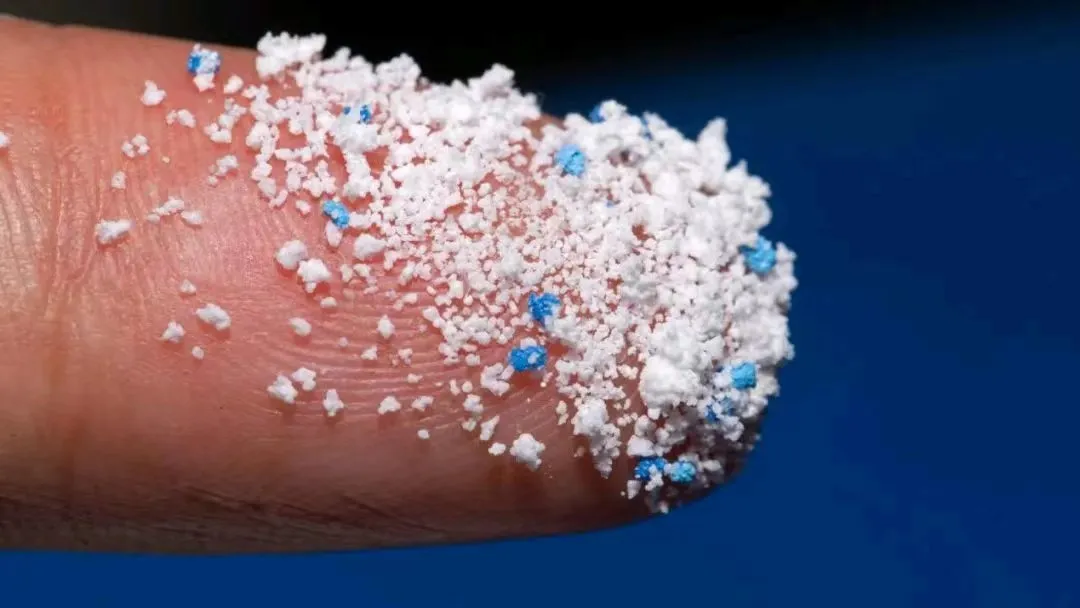
Magic sponges are part of this discussion because they are polymer foam products. When a melamine sponge wears down during cleaning, small fragments or fibers may be released.
A 2024 study published in Environmental Science & Technology reported that melamine cleaning sponges can release microplastic fibers when they are abraded. The study also suggested that sponge wear, surface roughness and foam structure can affect fiber release.
This does not mean consumers must stop using every magic sponge. It means the industry should treat the topic seriously.
A responsible approach includes:
- Choosing better sponge durability
- Using the sponge only on suitable surfaces
- Avoiding unnecessary over-scrubbing
- Giving clear instructions to consumers
- Avoiding unsupported environmental claims
- Selecting the right sponge density for each market
Do Magic Sponges Release Microplastics?
Yes, melamine sponges may release microplastic fibers as they wear down during cleaning.
The amount of wear depends on several factors:
- Sponge density
- Foam quality
- Cleaning pressure
- Surface roughness
- Cleaning time
- Sponge structure
- User behavior
A rough surface and heavy pressure can make the sponge wear faster. A very low-density sponge may also break down more quickly than a stronger, higher-density sponge.
This is why durability matters. A sponge that lasts longer and wears more slowly can help reduce unnecessary material loss during cleaning.
For retail brands, this also creates a new product direction: instead of competing only on the lowest price, brands can offer more durable, better-positioned magic sponge products.
Is a High-Density Magic Sponge Better?
For many retail and OEM applications, a high-density magic sponge can be a better choice.
A higher-density melamine sponge usually has a stronger structure and better hand feel. It may last longer during cleaning and provide a more premium user experience.
Compared with very low-density sponge products, high-density options can offer:
- Better durability
- Slower sponge consumption
- Stronger hand feel
- Better retail positioning
- Lower complaint risk from quick breakage
- More suitable premium packaging
- Better fit for Amazon, supermarket and private label brands
However, density is not the only factor. Buyers should also check cutting quality, compression recovery, packaging, safety claims and compliance documents.

At SINOYQX, we help buyers select the right magic sponge density according to target market, price range, packaging method and cleaning application.
Are Magic Sponges Toxic?
A magic sponge is made from cured melamine foam. It is not designed to be eaten, inhaled or used on skin.
For normal household cleaning, the key is to use it correctly and follow clear instructions.
Consumers should not use magic sponges:
- On skin
- On pets
- On food directly
- As a toy for children
- On surfaces that may contact food without rinsing afterward
- Together with bleach or strong chemicals
- On delicate surfaces without testing
For brands, the best practice is to avoid vague claims such as “safe for everything.” A more responsible approach is to explain where the sponge can be used, where it should not be used, and how consumers should test before cleaning.
What Surfaces Can You Clean With a Magic Sponge?
Magic sponges are suitable for many hard, non-delicate surfaces.
Common suitable applications include:
- Ceramic tiles
- Bathroom sinks
- Wall scuffs
- Door marks
- Shoe soles
- Whiteboards
- Some glass surfaces
- Some plastic surfaces
- Kitchen spot cleaning
- Household hard surfaces after testing
Because surface coatings vary, users should always test on a small hidden area first.
What Surfaces Should You Avoid?
Magic sponges should not be used on every surface.
Avoid using magic sponges on:
- Car paint
- Glossy paint
- Polished stone
- Marble
- Delicate granite sealers
- Leather
- Touch screens
- Acrylic surfaces
- Non-stick cookware
- High-gloss furniture
- Brushed metal without testing
- Any surface that may be damaged by abrasives
A simple rule is: if a surface can be damaged by fine abrasive pads, it may also be damaged by a magic sponge.
How to Use a Magic Sponge Responsibly
Responsible use helps improve cleaning results and reduce unnecessary sponge wear.
Follow these steps:
- Wet the sponge with clean water.
- Squeeze out excess water.
- Test on a small hidden area first.
- Rub gently with light pressure.
- Do not over-scrub rough surfaces.
- Rinse the cleaned area if necessary.
- Stop using the sponge when it becomes too small or broken.
- Dispose of used sponge pieces properly.
Consumers do not need to press hard. Light pressure is usually enough for many stains.
What Should OEM Buyers Check Before Buying Magic Sponges?
For OEM buyers, private label brands and distributors, magic sponge quality should not be judged only by the lowest price.
A very low-cost sponge may have lower density, weaker structure, faster wear, poor cutting tolerance or unstable packaging quality.
Before choosing a magic sponge supplier, buyers should check:
- Sponge density
- Foam structure
- Wear resistance
- Size tolerance
- Compression ratio
- Cutting quality
- Packaging method
- Carton strength
- Labeling and warnings
- REACH availability
- RoHS availability
- MSDS availability
- Prop 65 warning requirements for the U.S. market
- Amazon listing claim compliance
- Private label packaging support
A reliable supplier should also help buyers avoid risky or unsupported claims.
For example, “cleans with water only” is usually a safer and more accurate claim than “chemical-free” or “eco-friendly” if those claims cannot be fully supported.
Better Claims for Magic Sponge Packaging
Clear and accurate product claims are important for consumer trust and marketplace compliance.
Recommended claims include:
- Cleans with water only
- No added detergent required
- Helps reduce unnecessary chemical cleaner use
- Effective for everyday stain removal
- High-density option for improved durability
- Suitable for spot cleaning
- Test on a small area first
- OEM size and packaging available
Claims to avoid or use carefully include:
- Plastic-free
- Zero microplastics
- Biodegradable
- Safe for all surfaces
- Non-toxic for all uses
- Completely chemical-free
- 100% eco-friendly
The safest marketing direction is to be specific, realistic and transparent.
Why SINOYQX Focuses on Better Magic Sponge Options
SINOYQX supplies melamine sponge products for household cleaning, retail packaging, wholesale distribution and OEM private label projects.
We understand that different markets need different sponge solutions. Some buyers need cost-effective daily-use sponge products. Others need higher-density, more durable and better-packaged sponge options for premium retail markets.
SINOYQX magic sponge options include:
- Standard magic sponge
- High-density magic sponge
- Compressed melamine sponge
- Bulk melamine sponge blocks
- Custom-cut magic sponge
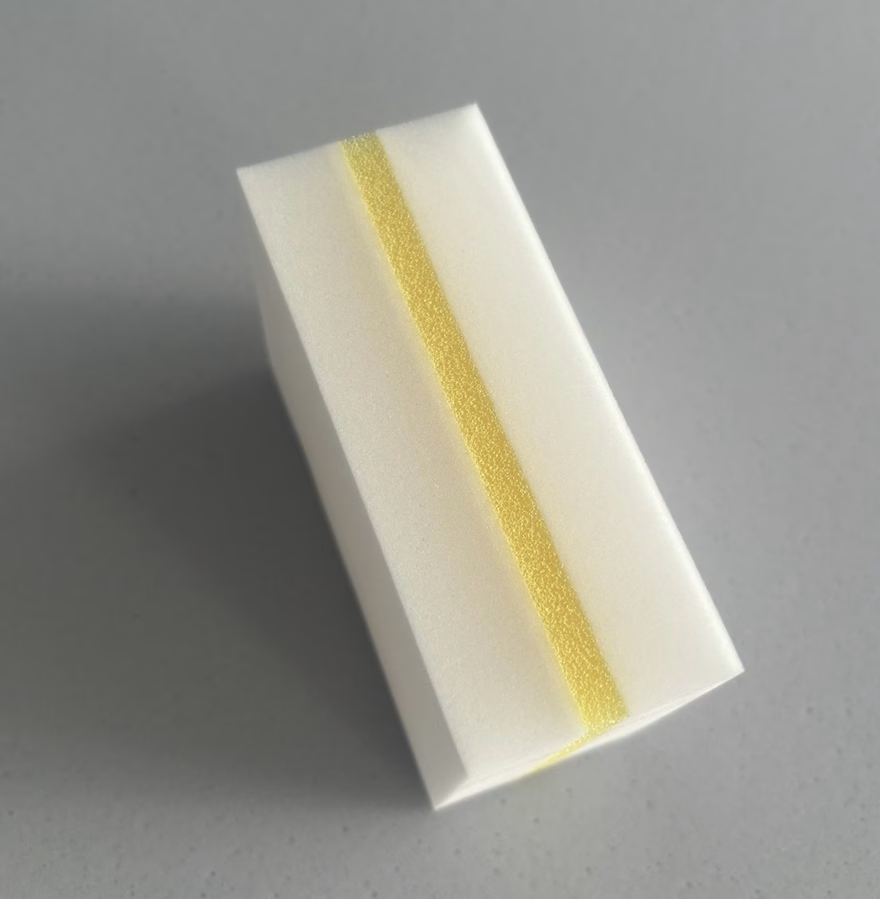
- Multi-layer cleaning sponge
- Private label retail packaging
- OEM carton and display packaging
For buyers concerned about product durability, sponge wear, marketplace claims and responsible product positioning, SINOYQX can help recommend suitable density, size, packaging and compliance wording.
Magic Sponge Safety: Consumer and Buyer Checklist
Before using or selling magic sponge products, check the following points.
For consumers:
- Use with water only
- Test before cleaning
- Use light pressure
- Avoid delicate surfaces
- Do not use on skin
- Keep away from children and pets
- Rinse surfaces when necessary
- Dispose of worn sponge pieces properly
For buyers:
- Confirm sponge density
- Test wear resistance
- Check packaging claims
- Review safety warnings
- Request compliance documents
- Avoid unsupported environmental claims
- Choose a supplier with OEM experience
This checklist helps reduce misuse, improve customer satisfaction and support more responsible product marketing.
FAQ
Are magic sponges safe for household cleaning?
Yes. Magic sponges are generally safe for household cleaning when used correctly on suitable surfaces. Users should wet the sponge, apply light pressure and test on a small hidden area first.
Do magic sponges release microplastics?
Yes. Melamine sponges may release microplastic fibers as they wear down during cleaning. This is why sponge durability, density and responsible use are important.
Are high-density magic sponges better?
High-density magic sponges can offer better durability, stronger hand feel and slower sponge wear. They are often a better choice for premium retail and OEM private label products.
Do magic sponges need detergent?
No added detergent is usually required. Magic sponges are designed to clean many stains with water only.
Can I use a magic sponge on painted walls?
You can use a magic sponge carefully on some painted walls, but always test first. Do not use it on glossy, delicate or easily damaged paint.
Can I use a magic sponge on car paint?
No. A magic sponge should not be used on car paint because it may scratch or dull the finish.
Can I use a magic sponge on skin?
No. Magic sponges should not be used on skin. They are cleaning tools for suitable hard surfaces only.
Are magic sponges biodegradable?
Standard melamine sponges are not usually biodegradable. Brands should avoid biodegradable claims unless they have reliable proof.
What is the best magic sponge for private label brands?
For private label brands, a high-density magic sponge with clear instructions, stable quality, compliant packaging and good durability is often a better choice than the lowest-cost option.
What should buyers ask a magic sponge supplier?
Buyers should ask about density, size tolerance, wear resistance, packaging options, compliance documents, safety wording and private label support.
Can SINOYQX supply OEM magic sponges?
Yes. SINOYQX supplies standard, high-density, compressed, custom-cut and private label magic sponge products for global buyers.
Conclusion
Magic sponges are effective cleaning tools, but they should be used responsibly.
They work through micro-abrasion, which allows them to remove stains with water only. At the same time, this means the sponge gradually wears down during use. Recent microplastics research shows that melamine sponges may release microplastic fibers during abrasion, so sponge durability and correct use matter.
For consumers, the best approach is to use light pressure, test first and avoid delicate surfaces.
For OEM buyers and retail brands, the future of magic sponge products is not only about lower cost. It is about better durability, clearer claims, safer instructions and more responsible product positioning.
SINOYQX helps global buyers develop melamine sponge products with suitable density, customized sizes, private label packaging and practical compliance support.
If you are looking for a reliable magic sponge manufacturer, contact SINOYQX to discuss your target market, packaging plan and product requirements.