
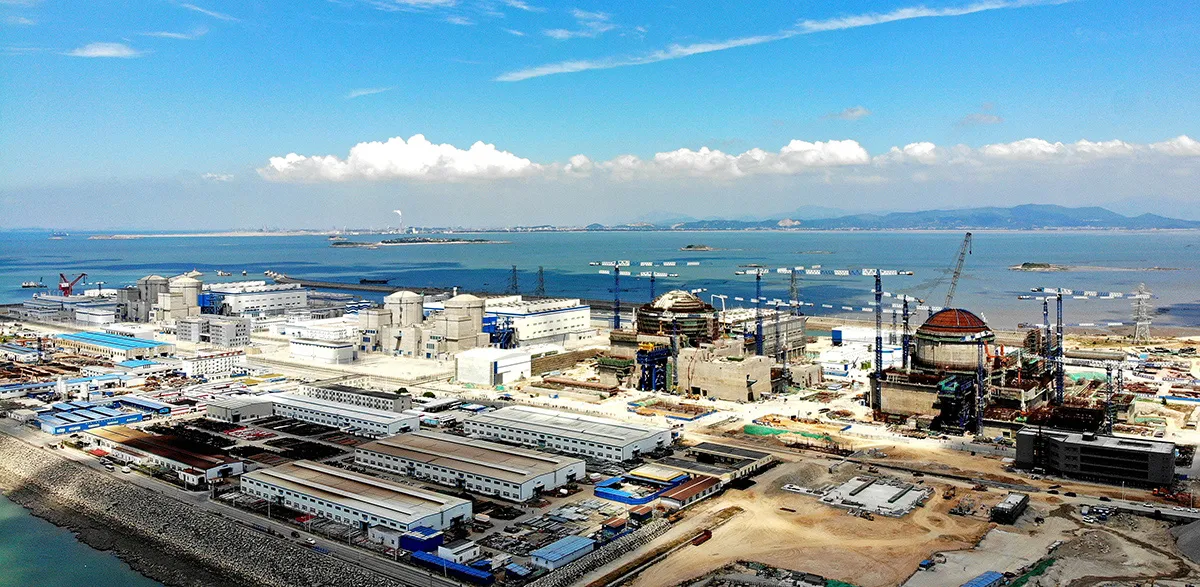
In the realm of advanced filtration systems, especially those used in high-stakes industries like nuclear energy, the need for high-performance materials is paramount. Filtration systems for critical environments, such as the Hualong One and EPR nuclear islands, require materials that can withstand extreme conditions while offering precise and reliable filtration performance. While melamine foam may not be suitable as a primary filtration medium in these systems, it holds great potential in supporting roles within multi-layered filtration systems and composite materials.
Here’s how melamine foam could contribute to modern filtration technologies:
Melamine Foam in Filtration Systems: Supportive Yet Significant
- Pre-Filters in Multi-Layer Filtration Systems
One of the most promising applications of melamine foam is as a pre-filter in multi-layered filtration systems. In this role, melamine foam can help remove larger particles and debris before they reach more specialized filtration media. This pre-filtration step improves the efficiency and longevity of primary filters, such as ceramic-based filters or activated carbon filters, which are more suited to dealing with fine particles or chemicals.
The open-cell structure of melamine foam provides an effective medium to capture larger particles, preventing them from clogging up finer filtration layers. This extends the service life of more sensitive filter materials and enhances the overall performance of the system.
In highly sensitive environments like nuclear facilities, where even microscopic particles can pose significant risks, a pre-filter made from melamine foam could play a vital role in improving the reliability of the entire filtration system.
- Composite Materials for Enhanced Performance
Melamine foam’s open-cell structure also lends itself well to being integrated into composite materials. When combined with other materials, such as ceramic composites, activated carbon, or advanced polymers, melamine foam can help improve the flexibility, lightness, and thermal insulation properties of the overall filtration media.
- Lightweight and Flexible: Melamine foam’s low density makes it a suitable addition to composite materials, where weight reduction is a critical factor. For filtration systems in power plants or large industrial operations, reducing the weight of the filtering components can improve handling, installation, and maintenance processes.
- Thermal Insulation: Nuclear filtration systems often operate under extreme conditions, with high temperatures and thermal flux. Melamine foam’s excellent thermal insulation properties could help regulate the temperature around the filtration system, ensuring optimal operating conditions without compromising the integrity of the filter elements.
Though melamine foam would not act as the primary filtration component, its ability to enhance the performance of more specialized materials makes it an important contributor to advanced filtration systems.
Primary Filtration Materials for Nuclear Water Filtration
When it comes to high-performance filtration in nuclear systems, the materials used must meet extremely stringent standards for chemical resistance, thermal stability, and mechanical strength. Here are some of the primary materials that are commonly used for silicon-free and aluminum-free filter elements:
- Polymeric Composites:
- Engineered polymers are commonly used for their high chemical resistance and thermal stability. These polymers offer superior filtration efficiency while remaining stable in harsh environments.
- Ceramics and Ceramic Composites:
- Ceramics are used in filtration systems due to their ability to withstand extreme temperatures and pressures while maintaining chemical resistance. These materials are ideal for filtering fine particles and ensuring the purity of critical systems, such as those found in nuclear power plants.
- Activated Carbon:
- For adsorption of specific contaminants, activated carbon is often used in combination with other filtering media. It effectively removes organic compounds and other harmful substances from the water or air in these systems.
- Metal Mesh or Fibers:
- Stainless steel mesh or other fibrous materials are also used in nuclear filtration due to their strength and corrosion resistance. These materials can withstand the high-pressure environments typical in nuclear reactors.
These materials are specifically engineered to meet the needs of nuclear systems, providing unparalleled filtration efficiency and reliability.
Conclusion: The Role of Melamine Foam in Advanced Filtration Systems
While melamine foam may not serve as the primary filtering medium in critical applications like those in the Hualong One or EPR nuclear island systems, it offers significant value in supporting roles. Whether used as a pre-filter to remove larger particles or as part of composite materials to improve flexibility and thermal performance, melamine foam enhances the efficiency, longevity, and functionality of advanced filtration systems.
For high-performance nuclear filtration, specialized materials such as polymeric composites, ceramics, and metal mesh remain the primary choices due to their superior chemical and thermal properties. However, melamine foam is a valuable addition to multi-layered filtration systems that aim to provide a comprehensive, efficient, and reliable solution for modern industrial and nuclear applications.
By leveraging the unique benefits of melamine foam, industries can achieve a more cost-effective, efficient, and long-lasting filtration solution that meets the demanding needs of the most advanced technologies.
Call to Action:
Contact us today to learn how SINOYQX melamine foam to enhance filtration system!
Email:[email protected]
Tel: +86-28-84111861
About SINOYQX:
SINOYQX, the second largest melamine foam manufacturer after BASF in the world, is a huge chemical entity based on natural gas production chain, manufacturing AdBlue, melamine, melamine foam, modified melamine resin, melamine cyanurate, polyphosphate, polyvinyl butyral resin, modified melamine formaldehyde resins, and other chemical products. The annual capacity of AdBlue is 150,000 Litters and 600,000 Tons of Granule; Melamine, 50,000 Tons; Melamine foam, 200,000 M3, the Melamine Cyanurate is 50,000 Tons. And the Transulate (an Equivalent of 3M Thinsulate) is 20,000 Sqm, per day.
Some pictures and texts are reproduced from the Internet, and the copyright belongs to the original author. If there is any infringement, please contact us to delete.