
What Is Melamine Foam? Complete Guide for Industrial Applications
Melamine foam is a lightweight, open-cell thermoset material widely used for thermal insulation, acoustic control, and precision cleaning. It is known for combining flame resistance, dimensional stability, and multifunctional performance in a single material system.

Originally developed for industrial use, melamine foam has expanded into applications ranging from building insulation and transportation systems to household cleaning products such as melamine sponges.
What Is Melamine Foam Made Of?
Melamine foam is produced from melamine-formaldehyde resin through a foaming and curing process that creates a highly porous, three-dimensional network.
This structure results in:
- Open-cell porosity
- Extremely low density
- High surface area
- Strong capillary action
Unlike thermoplastic foams, melamine foam is a thermoset material, meaning it does not melt when exposed to heat and maintains structural integrity under elevated temperatures.
Typical Properties of Melamine Foam
The following values represent typical performance ranges for industrial-grade melamine foam:
- Density: 4–12 kg/m³
- Thermal conductivity: ~0.030–0.040 W/m·K
- Service temperature: up to 200°C
- Flame behavior: inherently flame-retardant
- Structure: open-cell
These properties allow melamine foam to perform reliably in both thermal and acoustic applications, particularly where weight reduction and fire safety are critical considerations.
Key Performance Advantages
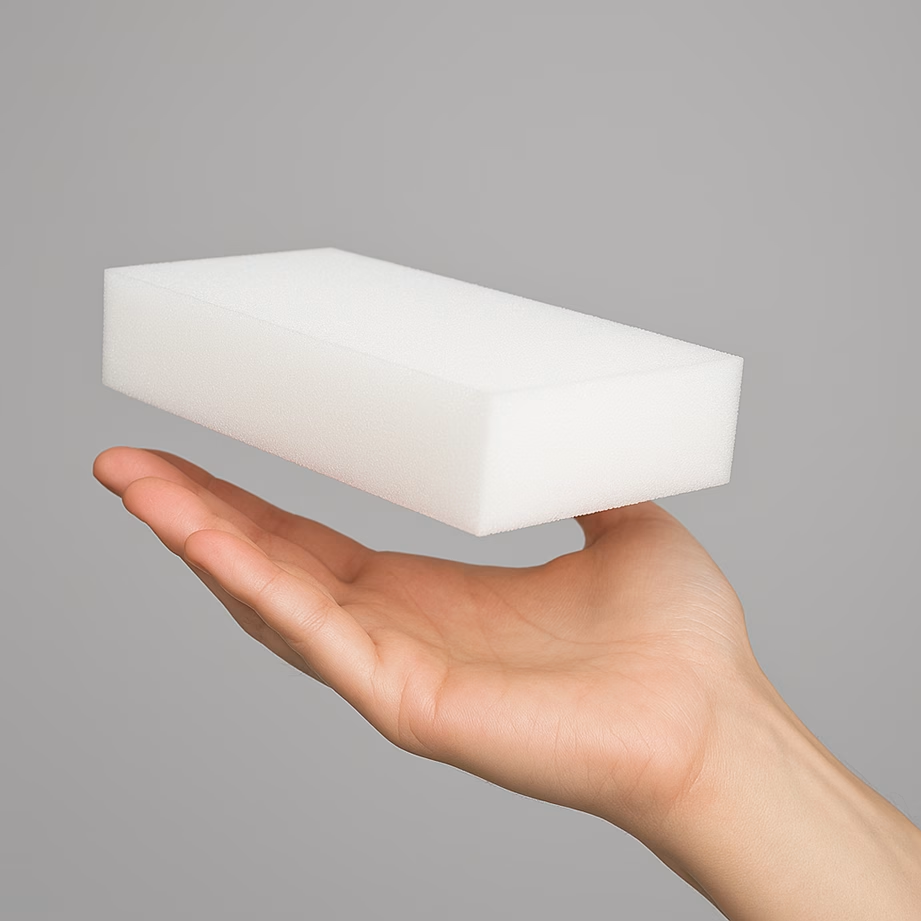
Lightweight Structure
Melamine foam is significantly lighter than many traditional insulation materials, making it suitable for weight-sensitive systems such as transportation and portable devices.
Thermal Insulation
Its porous structure reduces heat transfer, making it effective in compact insulation designs where space constraints exist.
👉 Related: melamine foam insulation solutions

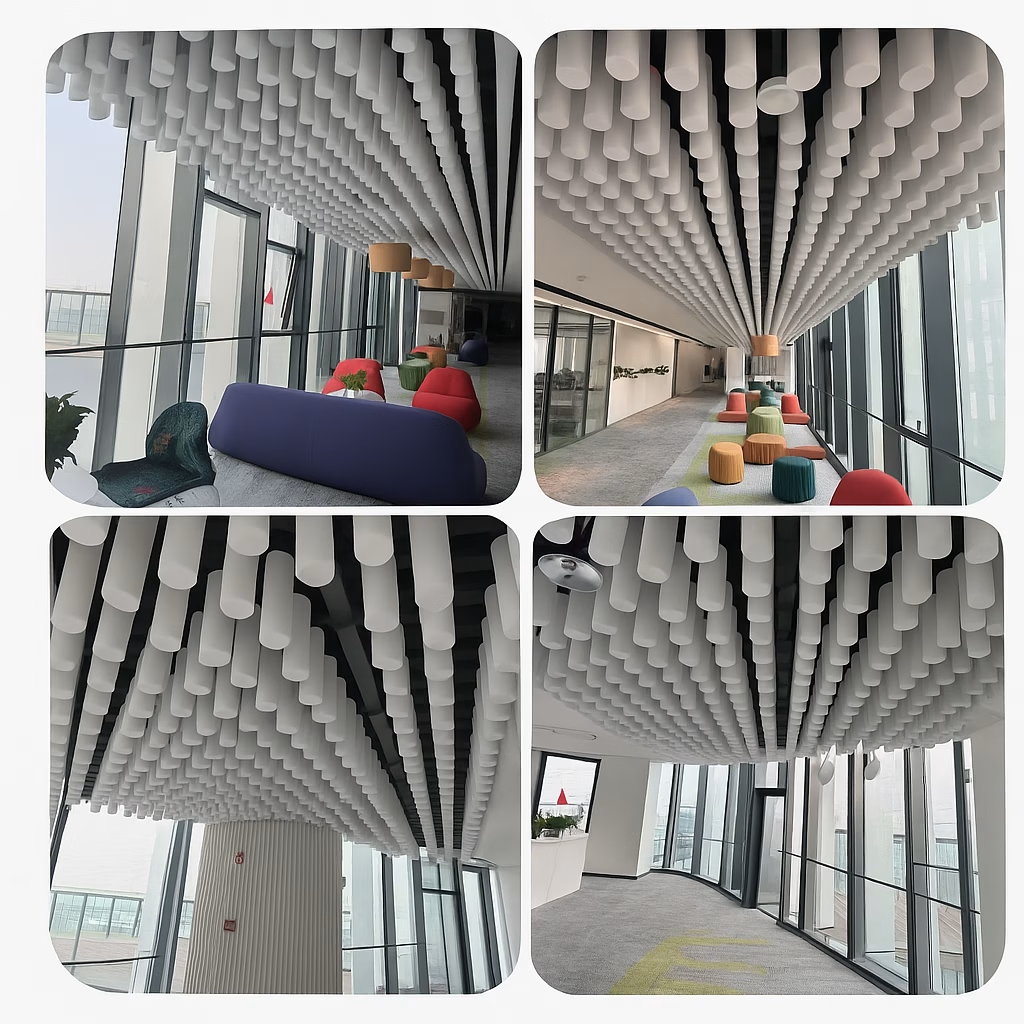
Acoustic Absorption
The open-cell network dissipates sound energy efficiently, particularly in mid- and high-frequency ranges.
👉 Related: acoustic performance of melamine foam
Flame Resistance
Due to its nitrogen-based chemistry, melamine foam exhibits inherent flame resistance, making it suitable for applications requiring improved fire performance.
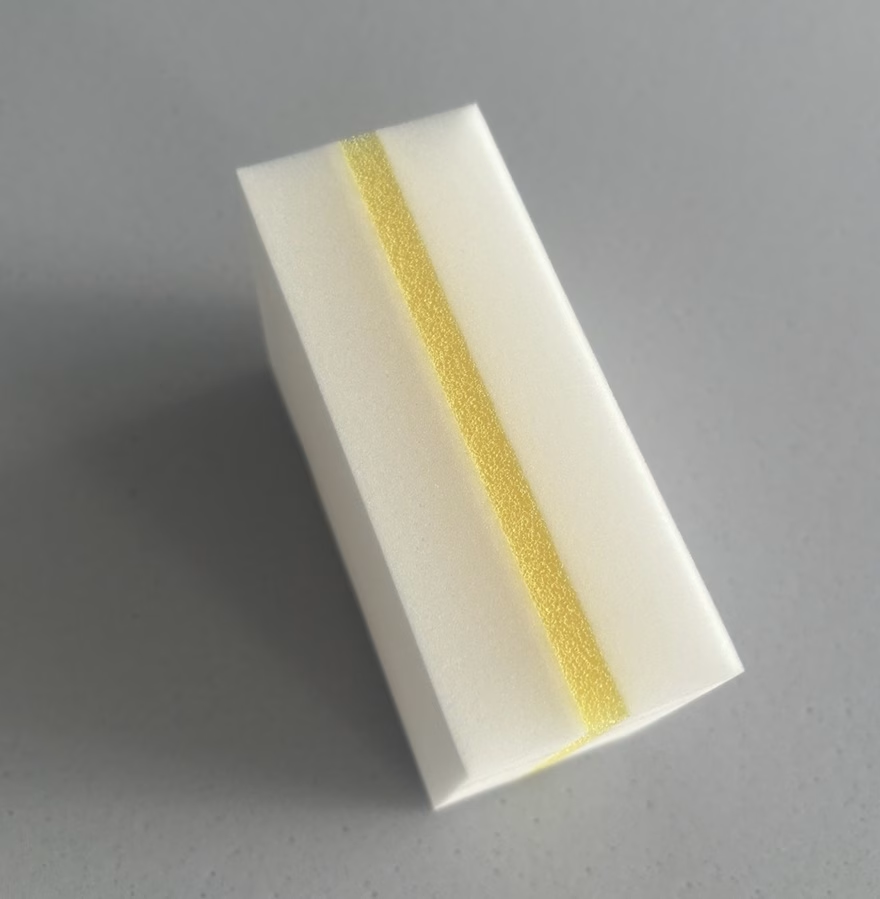
Cleaning Performance
In cleaning applications, melamine foam functions as a micro-abrasive structure, enabling effective removal of contaminants without chemical agents.
👉 Related: melamine sponge applications
Melamine Foam vs Polyurethane Foam
Melamine foam and polyurethane foam are often compared in insulation and acoustic applications. However, they serve different performance priorities.
| Property | Melamine Foam | Polyurethane Foam |
| Flame resistance | High (inherent) | Low (requires additives) |
| Density | Very low | Medium |
| Acoustic absorption | Excellent | Moderate |
| Thermal stability | High | Lower |
| Structure | Open-cell rigid | Flexible / semi-rigid |
Melamine foam is typically selected when fire safety, thermal stability, or acoustic performance are critical, while polyurethane foam is more commonly used for cushioning and structural support.
Industrial Applications of Melamine Foam
Melamine foam is widely used across industries due to its multifunctional properties.
Thermal Insulation Applications
- Energy storage systems (ESS)
- Electronic enclosures
- Compact appliances
- Industrial equipment housings
👉 Related: insulation in compact systems
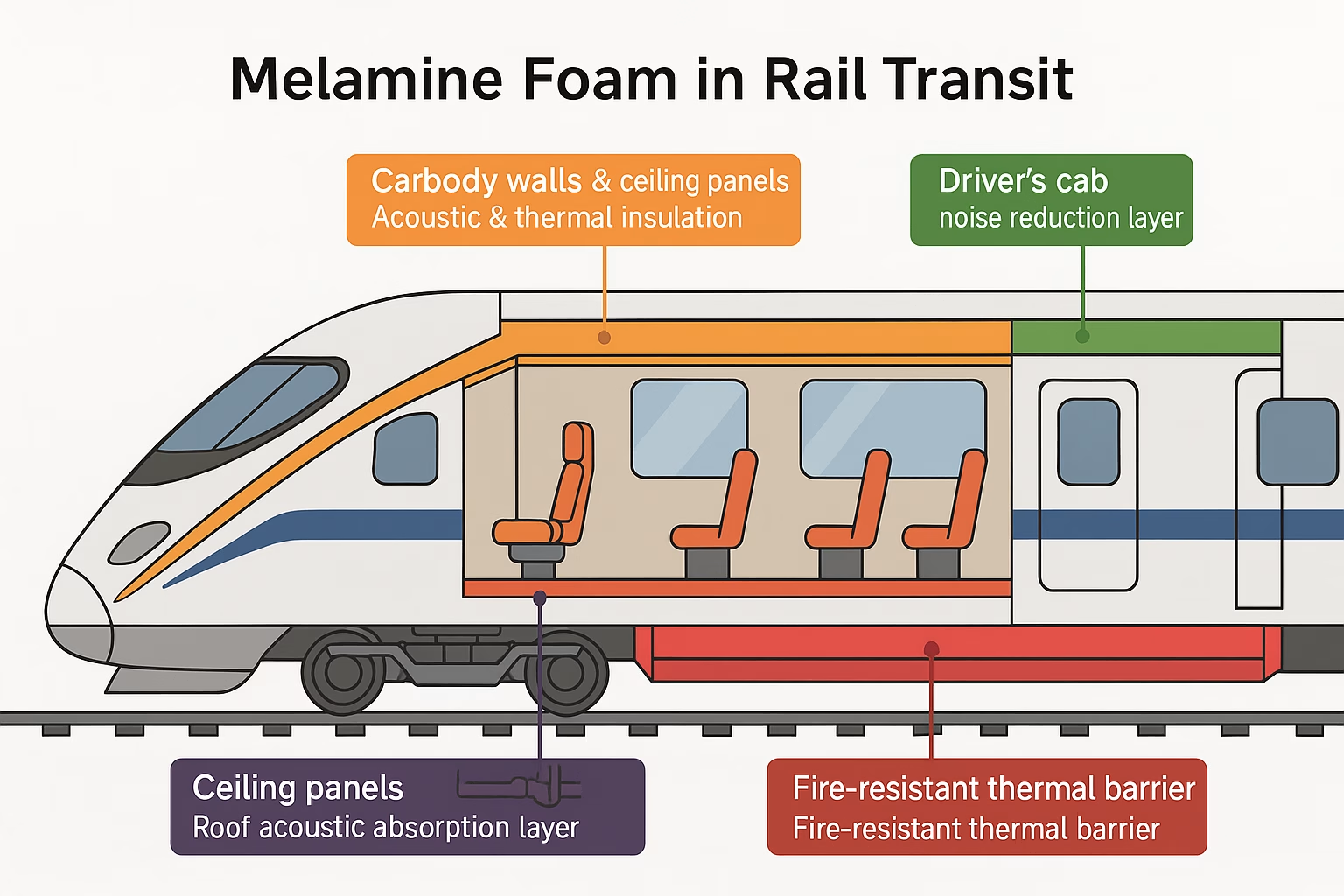
Acoustic Control Applications
- Machinery enclosures
- Rail transit systems
- Elevator and compressor housings
- Industrial noise reduction panels

Cleaning Applications (Melamine Sponge)
- Household cleaning
- Industrial surface preparation
- Equipment maintenance
Advanced & Specialized Applications
- Handheld appliance micro insulation
- Data center airflow and thermal management
- Lightweight structural fillers
Types of Melamine Foam
Melamine foam can be engineered into different types based on application needs.
Standard Melamine Foam
Used for general insulation and acoustic applications.
Hydrophobic Melamine Foam
Modified to repel water while maintaining porosity, suitable for oil absorption and industrial environments.
👉 Related: hydrophobic melamine foam

High-Density Cleaning Foam
Optimized for durability and cleaning efficiency in consumer and industrial cleaning products.
Why Melamine Foam Is Gaining Global Attention
Several industry trends are driving increased adoption of melamine foam:
- Demand for lightweight materials
- Increased fire safety requirements
- Growth of energy-efficient systems
- Expansion of advanced cleaning materials
At the same time, discussions around sustainability, durability, and material safety are influencing how melamine foam is selected and applied.
Frequently Asked Questions (FAQ)
What is melamine foam used for in industry?
Melamine foam is used for insulation, acoustic control, and lightweight structural applications in industries such as transportation, electronics, and energy systems.
Is melamine foam better than polyurethane foam?
It depends on the application. Melamine foam is preferred for fire resistance and acoustic performance, while polyurethane foam is typically used for cushioning.
Can melamine foam be used in high-temperature environments?
Yes, melamine foam maintains stability at elevated temperatures compared to many conventional foams.
Is melamine foam waterproof?
Standard melamine foam is not waterproof, but hydrophobic variants are engineered to repel water.
Is melamine foam safe for cleaning?
Melamine foam is widely used in cleaning applications. Proper usage is recommended to avoid excessive abrasion on sensitive surfaces.
What is the difference between melamine foam and a magic sponge?
A magic sponge is a consumer cleaning product made from melamine foam.
Conclusion
Melamine foam is a versatile material that combines insulation, acoustic performance, flame resistance, and cleaning functionality in a single system. Its unique structure and performance characteristics make it increasingly relevant across modern industrial and consumer applications.
As industries continue to demand lightweight, efficient, and multi-functional materials, melamine foam is expected to play an expanding role in both established and emerging applications.