
Quick Answer
Melamine acoustic foam is a lightweight open-cell foam used for sound absorption, thermal insulation, and industrial noise control. It helps reduce echo, reverberation, and reflected noise in HVAC ducts, equipment enclosures, ESS containers, transportation interiors, and acoustic panels. It is mainly a sound absorbing material, not a complete soundproofing barrier. For stronger noise reduction, it is usually combined with air gaps, metal panels, damping layers, mass barriers, or multilayer acoustic structures. SINOYQX supplies melamine acoustic foam as sheets, rolls, blocks, cut-to-size parts, die-cut components, laminated panels, and customized thermal-acoustic insulation structures for industrial and commercial applications.
What Is Melamine Acoustic Foam?
Melamine acoustic foam is a lightweight open-cell foam material made from melamine resin. Its fine three-dimensional porous structure allows sound waves to enter the foam and dissipate energy through airflow resistance, internal friction, and repeated reflection inside the cell network.
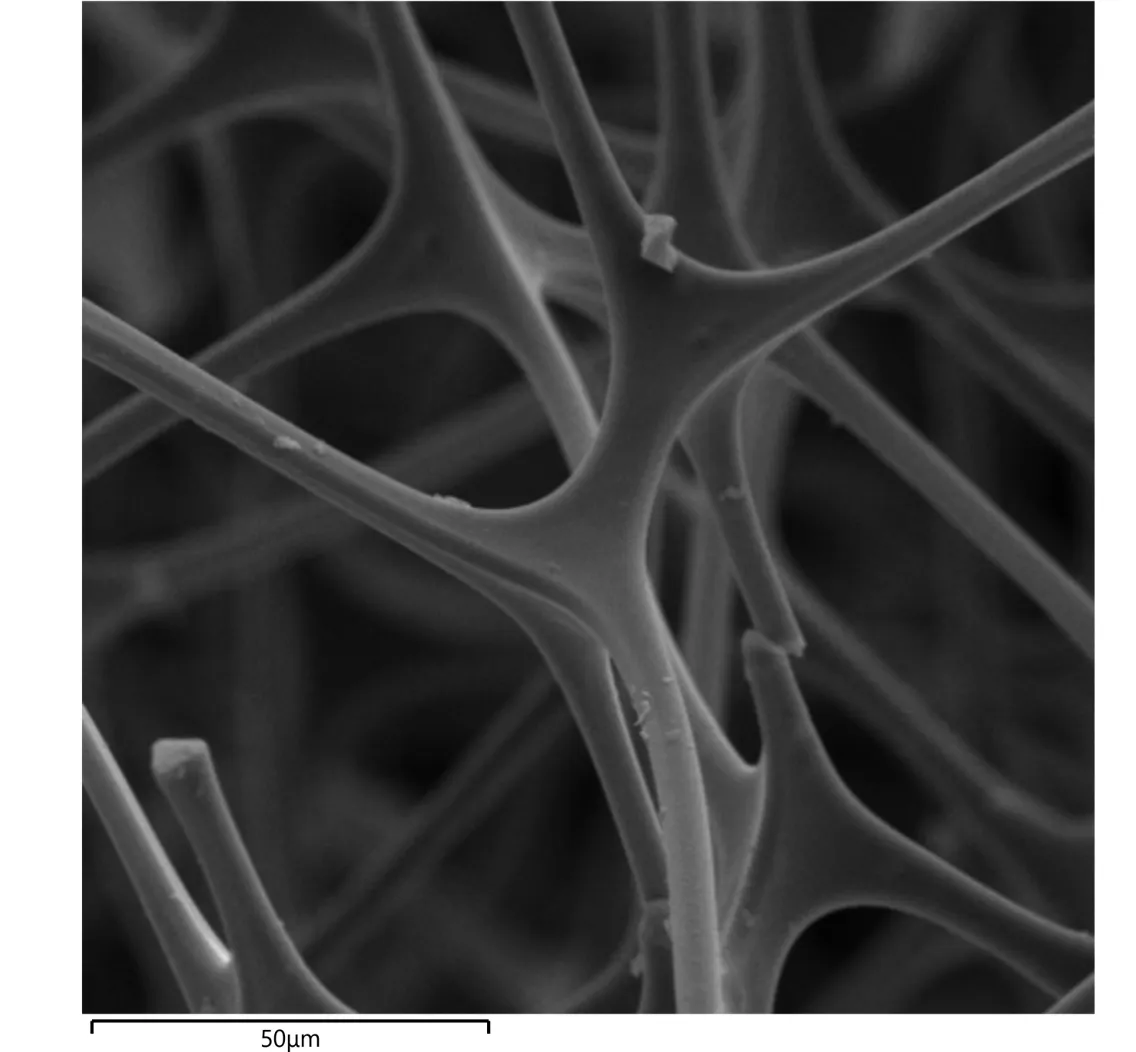
Because of this open-cell structure, melamine foam is widely used for sound absorption, echo reduction, reverberation control, thermal insulation, and lightweight filling. It is especially suitable for applications where acoustic performance, insulation performance, low weight, and flame-retardant material behavior are required in the same material system.
Unlike dense sound barrier materials, melamine acoustic foam does not mainly block sound by mass. Instead, it absorbs sound energy and reduces reflected noise inside enclosed spaces, ducts, cabinets, panels, and equipment structures.
Available Product Forms
SINOYQX melamine acoustic foam can be supplied in different forms according to application, installation method, and processing requirements.
Available forms include:
- Melamine acoustic foam sheets
- Melamine foam rolls
- Melamine foam blocks
- Cut-to-size foam parts
- Die-cut acoustic components
- CNC-cut foam parts
- Laminated acoustic panels
- Foam with aluminum foil facing
- Foam with nonwoven facing
- Foam with fiberglass cloth facing
- Foam with adhesive backing
- Customized thermal-acoustic insulation structures
These forms make melamine acoustic foam suitable for both standard acoustic panels and customized OEM insulation parts.
Typical Technical Data of Melamine Acoustic Foam
| Item | Typical Information |
| Material | Open-cell melamine foam |
| Structure | Fine three-dimensional porous structure |
| Density | 8–12 kg/m³, customizable according to project requirements |
| Main Function | Sound absorption, thermal insulation, noise control, lightweight filling |
| Available Form | Sheet, roll, block, cut part, die-cut component, laminated panel |
| Thickness | Custom thickness available |
| Surface Options | Plain foam, aluminum foil facing, nonwoven facing, fiberglass cloth facing, adhesive backing |
| Processing | Cutting, slitting, die cutting, CNC cutting, lamination, shaping |
| Application Areas | HVAC ducts, equipment enclosures, ESS containers, acoustic panels, transportation interiors, industrial cabinets |
| Fire Behavior | Flame-retardant material behavior; final classification depends on test method, thickness, facing material, and composite structure |
Note: Final acoustic performance, fire classification, VOC behavior, and installation suitability should be evaluated according to the final product structure, application environment, and target market requirements.
How Melamine Acoustic Foam Absorbs Sound
Melamine acoustic foam absorbs sound through its open-cell porous structure. When sound waves enter the foam, the air inside the small interconnected pores moves and rubs against the cell walls. This movement converts part of the sound energy into heat through friction and airflow resistance.
The thicker the foam, the more space sound waves have to enter and lose energy. Air gaps, surface facings, density, installation position, and the target noise frequency can also influence the final acoustic effect.
In practical applications, melamine acoustic foam is often used to reduce:
- Echo
- Reverberation
- Reflected noise
- Internal noise build-up
- Airflow noise
- Equipment enclosure noise
- High-frequency and mid-frequency noise
For low-frequency noise or full sound isolation, melamine foam is usually combined with other acoustic materials and structural designs.
Is Melamine Foam Good for Soundproofing?
Melamine foam is good for sound absorption, but it is not a complete soundproofing barrier by itself.
As an open-cell foam, melamine acoustic foam mainly absorbs sound energy and reduces echo, reverberation, and reflected noise. It is useful inside acoustic panels, HVAC ducts, equipment enclosures, machinery covers, vehicle interiors, ESS containers, and industrial cabinet systems.

For real soundproofing or high sound transmission loss, melamine foam should be combined with mass barriers, metal panels, damping layers, sealed structures, air gaps, or multilayer acoustic systems.
In simple terms:
- Melamine foam helps absorb sound inside a space.
- Dense barriers help block sound from passing through.
- A better acoustic system often uses both absorption and barrier layers.
Melamine Acoustic Foam vs Polyurethane Acoustic Foam
Melamine acoustic foam is often selected when a project requires sound absorption, thermal insulation, lightweight design, and flame-retardant material behavior in the same material system.
Polyurethane acoustic foam is widely used for general indoor acoustic treatment, packaging, and low-cost sound absorption. However, for industrial applications such as HVAC systems, equipment enclosures, ESS containers, transportation interiors, machinery rooms, and acoustic insulation panels, melamine foam may offer better overall system value.

| Item | Melamine Acoustic Foam | Polyurethane Acoustic Foam |
| Cell Structure | Open-cell | Open-cell |
| Main Use | Industrial sound absorption and insulation | General acoustic treatment and packaging |
| Weight | Very lightweight | Lightweight |
| Thermal Insulation | Good | Depends on grade |
| Fire Behavior | Better flame-retardant material behavior | Usually requires flame-retardant additives |
| Industrial Use | HVAC, ESS, equipment, transportation, acoustic panels | Indoor panels, packaging, general use |
| Processing | Cutting, shaping, lamination, die cutting | Cutting, shaping, lamination |
For projects that need acoustic performance together with thermal insulation, lightweight structure, and improved fire safety consideration, melamine acoustic foam is often a preferred choice.
Main Applications of Melamine Acoustic Foam
- Acoustic Panels
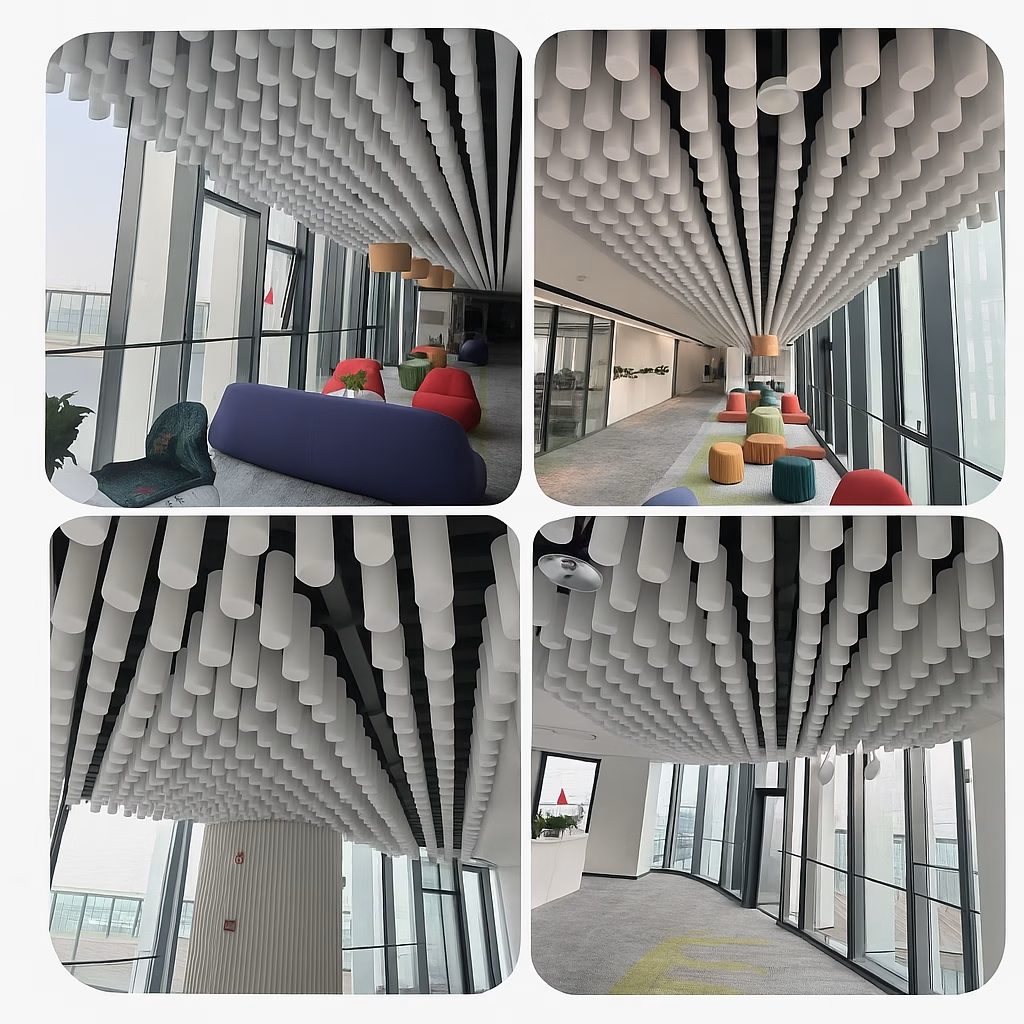
Melamine foam can be used as the sound absorbing core for flat acoustic panels, wall panels, ceiling panels, baffles, and industrial sound absorption structures. It helps reduce echo and reverberation in commercial, industrial, and technical spaces.

- HVAC Ducts and Ventilation Systems
Melamine acoustic foam can be used for HVAC duct lining, silencer filling, ventilation noise control, and airflow path acoustic absorption. Its lightweight structure makes it suitable for duct systems where both noise reduction and insulation are required.
When used in HVAC applications, the final design should consider airflow, dust control, fire requirements, fixing method, facing material, and long-term operating conditions.
- Equipment Enclosures and Industrial Cabinets
Melamine acoustic foam helps reduce internal reflected noise inside machinery housings, compressor cabinets, generator enclosures, pump covers, electronic cabinets, and industrial equipment structures.
It can be supplied as sheets, adhesive-backed parts, foil-faced parts, or custom-cut components according to the cabinet design.
- ESS Containers and Battery Cabinets
Energy storage systems, battery cabinets, cooling units, and containerized equipment often require both noise control and thermal management. Melamine acoustic foam can support thermal-acoustic insulation design in ESS containers, battery cabinets, ventilation channels, and equipment compartments.
The final material selection should consider fire safety, operating temperature, airflow, moisture exposure, dust, and installation structure.
- Transportation Interiors
Melamine foam is used in automotive, rail, marine, and aerospace-related acoustic and thermal insulation designs where lightweight materials are required. It can help reduce interior noise, vibration-related reflected noise, and thermal transfer in selected structures.

For transportation applications, the final foam grade, facing material, flame behavior, smoke behavior, and VOC requirements should be confirmed according to the target standard.
- OEM Cut Parts and Laminated Structures
SINOYQX can process melamine acoustic foam into customized OEM parts, including cut-to-size sheets, die-cut parts, CNC-cut shapes, adhesive-backed parts, foil-faced parts, nonwoven-laminated parts, and multilayer insulation panels.
This makes the material suitable for suppliers producing acoustic insulation kits, equipment lining parts, HVAC components, transportation parts, and industrial insulation assemblies.
Is Melamine Acoustic Foam Safe to Use?
Melamine acoustic foam is commonly used in industrial, commercial, transportation, HVAC, and insulation applications. For normal installation and handling, it should be used according to the supplier’s SDS and project safety requirements.
During cutting, sanding, trimming, or installation work, operators should avoid excessive dust exposure and use suitable protection such as gloves, masks, eye protection, and local ventilation when needed.
For indoor, HVAC, transportation, equipment, or export projects, users should evaluate flame behavior, VOC requirements, formaldehyde requirements, dust control, facing material, and final assembly design according to the target market and application standard.
How to Choose Melamine Acoustic Foam
When selecting melamine acoustic foam for sound absorption and thermal insulation, the following factors should be considered:
Foam Thickness
Thicker foam usually provides better sound absorption, especially for lower mid-frequency noise. Thin foam is suitable for limited-space applications, while thicker foam is often used in panels, enclosures, and ducts.
Density
Standard low-density melamine foam is lightweight and suitable for many acoustic insulation applications. Higher density or special processed foam may be selected for specific mechanical, thermal, or installation requirements.
Surface Facing
Aluminum foil, nonwoven fabric, fiberglass cloth, adhesive backing, or other facings can be added according to the installation environment. Facing materials can influence durability, dust control, appearance, thermal reflection, and fire performance.
Installation Method
The foam can be fixed by adhesive, mechanical fasteners, lamination, compression fitting, or panel assembly. The correct method depends on the substrate, temperature, airflow, vibration, and service environment.
Acoustic System Design
For better noise reduction, melamine acoustic foam is often used together with air gaps, perforated panels, metal shells, damping layers, or mass barriers. The final acoustic result depends on the whole system, not only the foam itself.
Custom Melamine Acoustic Foam from SINOYQX
SINOYQX supplies melamine acoustic foam for sound absorption, thermal insulation, HVAC acoustic lining, equipment enclosures, ESS containers, transportation interiors, industrial acoustic panels, and OEM insulation components.
We can provide customized solutions based on project requirements, including:
- Foam sheets and rolls
- Blocks and large-format foam
- Cut-to-size parts
- Die-cut acoustic components
- CNC-cut foam shapes
- Laminated panels
- Foil-faced foam
- Nonwoven-faced foam
- Adhesive-backed foam
- Customized thermal-acoustic insulation structures
If you are developing an acoustic insulation system, HVAC silencer, equipment enclosure, ESS container, or industrial panel solution, SINOYQX can help recommend a suitable melamine foam form, thickness, facing, and processing method.
FAQ
Is melamine good for soundproofing?
Melamine foam is mainly good for sound absorption, not complete soundproofing by itself. It helps reduce echo, reverberation, and reflected noise. For stronger soundproofing, it should be combined with barriers, damping layers, sealed panels, and air gaps.
What is melamine foam used for?
Melamine foam is used for sound absorption, thermal insulation, acoustic panels, HVAC duct lining, equipment enclosures, ESS containers, transportation interiors, cleaning sponges, and custom cut foam parts.
Is melamine foam safe to use?
Melamine foam can be used safely when handled according to the SDS and application requirements. During cutting or installation, operators should reduce dust exposure and use suitable protection when needed.
What type of foam is best for soundproofing?
Foam alone is usually not enough for full soundproofing. Open-cell foams such as melamine foam are useful for sound absorption, while soundproofing normally requires mass barriers, damping layers, sealed structures, and air gaps.
Is melamine acoustic foam better than polyurethane foam?
Melamine acoustic foam is often preferred for industrial applications where sound absorption, thermal insulation, lightweight design, and flame-retardant material behavior are required. Polyurethane foam is more common for general indoor acoustic treatment and low-cost sound absorption.
Can melamine acoustic foam be supplied as sheets or rolls?
Yes. SINOYQX can supply melamine acoustic foam as sheets, rolls, blocks, cut parts, die-cut components, laminated panels, and customized thermal-acoustic insulation structures.
Can melamine acoustic foam be used in HVAC ducts?
Yes. Melamine acoustic foam can be used for HVAC duct lining, silencer filling, ventilation noise control, and airflow path acoustic absorption, depending on fire safety, airflow, dust, and installation requirements.
Can melamine foam provide thermal insulation?
Yes. Melamine foam supports both sound absorption and thermal insulation, making it suitable for HVAC, equipment enclosures, ESS containers, transportation interiors, and industrial insulation systems.
Can melamine acoustic foam be laminated?
Yes. Melamine acoustic foam can be laminated with aluminum foil, nonwoven fabric, fiberglass cloth, adhesive backing, or other surface materials according to the final application and installation requirements.
What is the difference between melamine foam sheet and melamine foam roll?
Melamine foam sheet is suitable for panels, cut parts, cabinet lining, and acoustic insulation structures. Melamine foam roll is suitable for continuous covering, duct lining, insulation wrapping, and applications requiring longer flexible material formats.
Conclusion
Melamine acoustic foam is a lightweight open-cell foam material used for sound absorption, thermal insulation, and industrial noise control. It helps reduce echo, reverberation, reflected noise, and internal sound build-up in acoustic panels, HVAC ducts, equipment enclosures, ESS containers, transportation interiors, and industrial structures.
It is not a complete soundproofing barrier by itself, but it can be an important sound absorbing layer in multilayer acoustic systems. When combined with air gaps, metal panels, damping layers, or mass barriers, melamine acoustic foam can support more effective noise reduction and thermal-acoustic insulation design.
SINOYQX provides melamine acoustic foam sheets, rolls, blocks, cut parts, laminated panels, and customized acoustic insulation components for industrial and commercial applications.